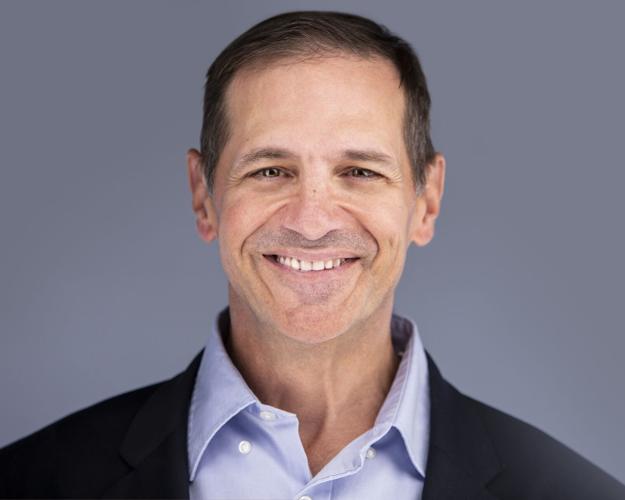






David Nordel
For David Nordel, returning to civilian life as a veteran is like standing on one end of the Grand Canyon and being told you have to get to the other side, without being given any instructions on how to do it.
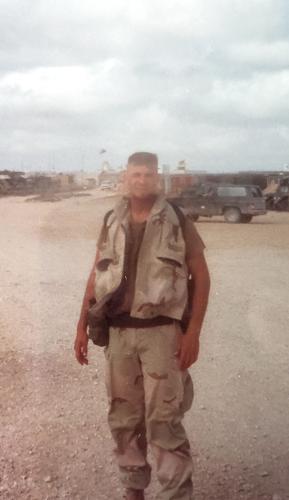
Nordel, a retired Air Force Command Chief Master Sergeant who served 30 years with multiple tours all over the world, said it took him nearly 10 years to be comfortable in civilian life. He served as a medic from Colombia to Kosovo and saw more traumatic medical emergencies than most people could imagine.
“The transition to civilian life can be rough. You’ve built up a high level of camaraderie and lived a very organized and structured life during your time in the service, having taken an oath to ‘run toward the gun,’” Nordel said. “Data shows around 50% of veterans leave their first civilian job within the first year and up to 65% leave within two years. It’s just difficult.”

David Nordel
After leaving the military, Nordel said, veterans often face hurdles that can include everything from PTSD and burnout to overqualification and feeling undervalued. The inability to assimilate only accentuates the military-to-civilian transition challenges, he said.
He’s also quick to point out that while the ADA guidelines provide an overview of civil rights laws to ensure equal opportunity for people with disabilities, there are no such guidelines to meet the needs of veterans.
The Billings resident, who is also a registered nurse and CEO of Max Fab Consulting, founded Vet READY to do just that. Through his work with the nonprofit, Nordel helps vets transition into civilian work life while simultaneously helping businesses understand the value of hiring veterans.
He refers to his organization as the “what comes after the ‘thank you for your service’ phrase veterans hear every day.”
Nordel partners with employers to help them understand “all the jewels and diamonds and nuggets that exist within the veterans’ skill set and how they can mine them in terms of recruitment and retention, as well as the type of culture they can create to enable the vets to find their new team and purpose and empower them to thrive.”
The Vet READY certification program includes lessons on how to teach employers to acknowledge and celebrate the unique strengths and leadership qualities that veterans bring to the table; provide training and mentorship opportunities; match veterans’ skill sets with positions that align with their purpose; and implement programs that enhance the veterans’ mental health and well-being.
For anyone considering joining the military, Nordel recommends aligning themselves with people “you respect and who can mentor you. If you sit in one spot, you’ll look like a mushroom and just always grow in the same spot. In a combat situation you have to be around people you can rely on and who can, in turn, rely on you. And whether you serve four, eight or 30 years, those skills will be considered valuable when you reenter civilian life.”
And Nordel’s job is to make sure employers know just that.
For more information on the Vet READY program, please visit getvetready.org.