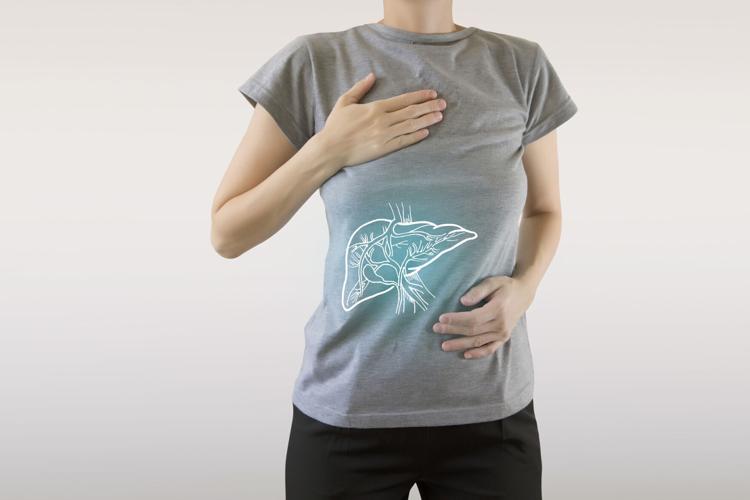


What is a liver cleanse and what does it have to do with detoxification? Surprising for many folks is that the liver performs over 300 different functions in the body, not the least of which is filtering the blood and removing substances that are no longer needed or are unhealthy for us: toxins, chemicals, hormones, cholesterol and waste products in general.
Everything people eat, drink, breathe or make in their bodies that needs to be eliminated goes through a detoxification process. Folks may not think about how the liver functions during detoxification, even though this is one of the most important things happening in the body. This is because the symptoms indicating a need for improved liver detoxification are common, and often vague, such as feeling fatigued, or “just not feeling my old self.” And some symptoms are so common that people don’t realize there may be an underlying need for detoxification, such as: headaches, allergies, skin issues, premenstrual or menstrual problems, chronic sinusitis, intestinal symptoms, recurrent infections, etc.
In order to eliminate a waste product from the body, it goes through three phases of detoxification: Phases 1, 2 and 3.
Phase 1 detoxification relies on the Cytochrome P450 enzyme system to alter the molecule into a form that can then be picked up by phase 2.
Phase 1 detoxification is optimized by antioxidants, cruciferous vegetables and flaxseed. If a person has indications of a severely reduced capacity to detoxify, such as with multiple chemical sensitivities, chronic fatigue syndrome or a history of cancer, genomic tests are available to evaluate an individual’s genes for detoxification. These tests help determine if a person has special needs with regards to their detoxification capacity.
Phase 2 liver detoxification makes the molecule water soluble, so it can be excreted through the bowel or through the kidney. The function of phase 2 relies primarily on the genes people have for detoxification. It is often thought that people can’t do anything to alter gene function. However, genes are influenced by their environment, and gene function can be optimized by improving the cellular milieu.
Phase 2 liver detoxification relies on five different pathways that depend entirely on nutrients obtained from the diet. It is here that many people have limitations in their ability to detoxify. The standard American diet is generally lacking in the nutrients needed for optimal liver detoxification — primarily nutrients from fruits, vegetables and whole grains.
Phase 3 utilizes transporters to move specialized carrier substances out of the cells and into the kidneys or into the bile for removal through the intestines. Again, dietary factors include adequate fiber to support healthy excretion and provide a route for the removal of toxins, as well as adequate water to maintain healthy kidney function and urinary excretion, allowing for the body to properly remove toxins and waste products. There are specific nutrients important for phase 3 to function optimally as well.
A proper detoxification protocol takes into consideration all three phases of detoxification.
So, what can an individual do about this?
First, decrease your exposure to toxins and chemicals. Avoid pesticides, herbicides, excess medication, alcohol, caffeine and exposure to plastics. Second, you can use foods and nutrients to optimize phases 2 and 3 in liver detoxification. Think, green leafy vegetables, root vegetables like carrots, beets, turnips and parsnips. Also, artichoke, garlic and onions are good sources.
Specific nutrients help, like vitamins C, B, magnesium and selenium. Some botanical medicines believed to optimize liver detoxification are milk thistle, turmeric, flaxseeds and dandelion root. Additionally, diets with good quality proteins, healthy fats, adequate water and exercise may also improve liver detoxification.
Before doing any type of liver cleanse, it is important to first make sure you do not have liver or gallbladder disease. This can be assessed through routine blood work. Additionally, it is prudent to rule out other conditions that may be causing or contributing to your symptoms.
Chronic headaches, fatigue or hives may be due to many health conditions — it is only after all other reasons for the symptoms are exhausted that liver burden may be assessed and treated. Even then, not everyone is a good candidate for a liver cleanse: If the individual’s systems of elimination are not functioning properly (e.g., constipation, kidney dysfunction) or there is low vitality, the detoxification process may be hindered, resulting in recirculation of toxins and a generally poor response to the detox.
In general, most folks could benefit by supporting the body’s systems of elimination, including all-important liver function.
The new year is a great time to get a fresh start! The practitioners at Yellowstone Naturopathic Clinic are all knowledgeable and experienced in liver cleanse/detox options and can help you determine if a liver cleanse/detox is right for you. Reach out to Yellowstone Naturopathic Clinic today at yncnaturally.com or via phone at 406.259.5096.
This content is provided for informational purposes only by the advertiser and is not a substitute for professional medical advice or treatment. Please consult your healthcare provider for medical advice. Any views, thoughts or opinions in this paid post belong solely to the advertiser and do not represent the views of Brand Ave. Studios or its parent company.