


Montana’s story is woven with the voices and visions of women who walked daring paths from guiding great expeditions, to reshaping politics, capturing frontier life through a lens, dominating rodeo arenas, and lifting Indigenous voices through truth-telling. This Women’s History Month, we honor a few whose legacies still resonate across Big Sky Country.
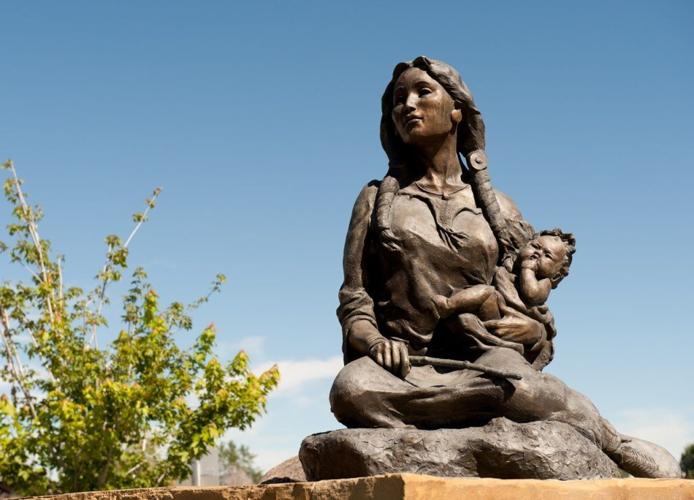
Long before Montana became a state, Sacagawea helped blaze the trails that would define the West. A Lemhi Shoshone woman, she joined the Lewis and Clark Expedition as a translator and cultural diplomat at only about sixteen years old, navigating unknown lands, facilitating contacts with Indigenous nations, and rescuing vital expedition documents after a capsizing canoe incident. Her fluency in Hidatsa and Shoshone and her calm presence carrying her infant son made her indispensable to one of the most consequential explorations of North America. Tributes to her presence and influence stretch from rivers and peaks named in her honor to the broader American imagination of Indigenous women as essential guides in history.
People are also reading…
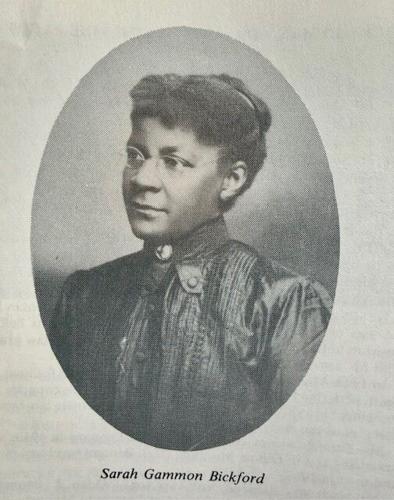
Born into slavery in the mid-1800s, Sarah Bickford eventually made her way to Montana and later became the sole owner of the Virginia City Water Company, making her not only a successful entrepreneur but likely the first African American woman in the nation to own and run a utility. After enduring tragedy and hardship in her early life, Sarah persisted and built a respected role in her Montana community, leaving a legacy of resilience that challenges and inspires.
Jeannette Pickering Rankin
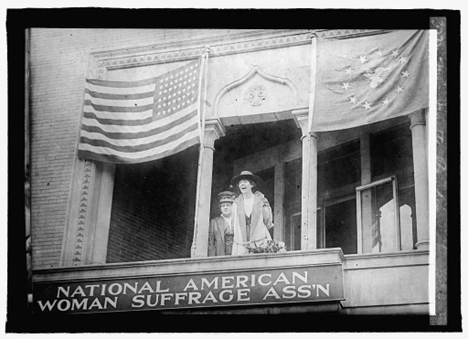
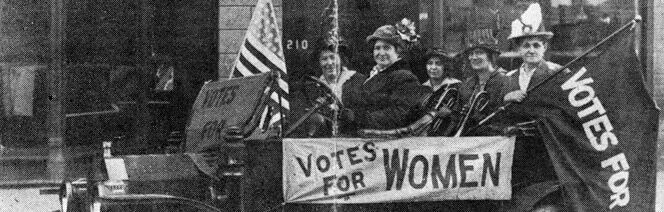
Politics and peace advocacy took on a new tone in the early 20th century thanks to Jeannette Pickering Rankin. A native Montanan, Rankin made history in 1916 as the first woman elected to the U.S. House of Representatives, four years before ratification of the 19th Amendment. A lifelong suffragist and pacifist, she championed women’s rights, peace and civil liberties throughout her long career, helping pave the way for women’s political participation nationwide.
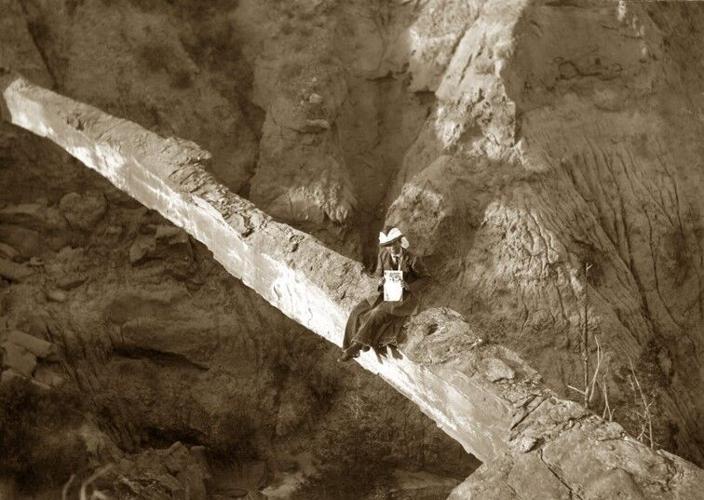
Out in the rolling grasslands of Southeast Montana, Evelyn Cameron picked up her camera at the turn of the 20th century and started documenting everyday life on the frontier in striking detail, from cattle roundups and ranch hands to family gatherings and prairie skies. Her images, now held at local museums, give us one of the most authentic visual records of rural life in early Montana, reminding us that history is not just written in books, but captured in moments and faces.
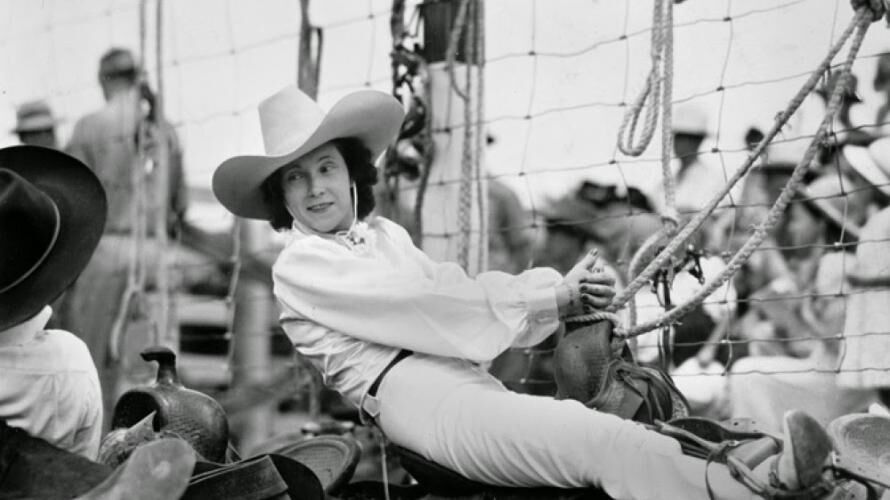
Montana’s rodeo culture has been shaped as much by women as men, and few names ring as boldly as Alice Greenough and her younger sister Marge Greenough Henson. Raised on a ranch outside Red Lodge, the Greenough sisters rode broncos, trick-rode and competed in events at a time when professional rodeo was overwhelmingly male dominated. Alice became known as “the first rodeo queen,” and both sisters were eventually inducted into halls of fame for their groundbreaking work, including introducing early women’s barrel-racing events and traveling globally as champion riders.
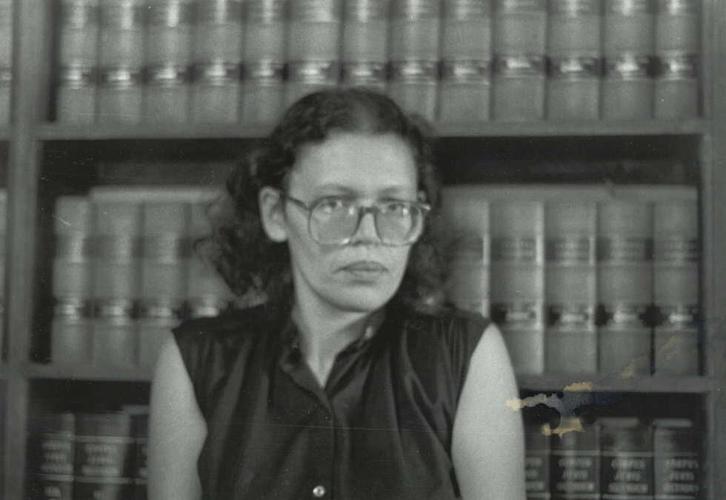
A powerful voice in Montana history, Minnie Two Shoes was an influential journalist, editor and activist from the Fort Peck Reservation. Her career spanned decades advocating for Native rights, environmental justice and community empowerment. She co-founded what would become the Native American Journalists Association, edited magazines amplifying Indigenous voices and worked to train the next generation of storytellers, showing that history is also shaped by whose stories get heard.
Their stories live here
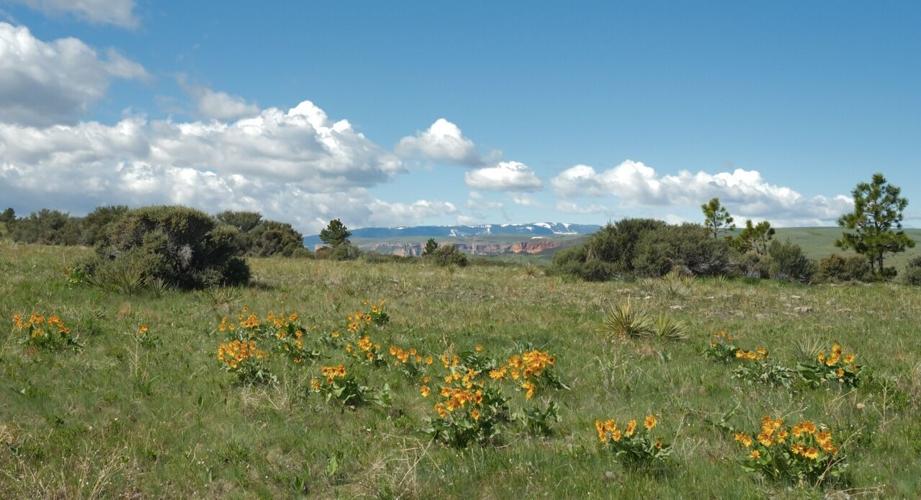
From guiding across uncharted rivers to riding broncos in roaring arenas, from shaping national politics to documenting frontier life through a camera lens, these women reflect the rich, complex tapestry of Montana’s heritage. Their stories are part of the land, the museums, the trails and the communities that make Southeast Montana a place where history does not just live in the past, it invites you to explore it.
This Women’s History Month, we invite you to discover these legacies in person, through local museums like the Prairie County Museum honoring Evelyn Cameron’s work, historic sites across the region, or trails and landscapes that echo with the footsteps of those who came before.


