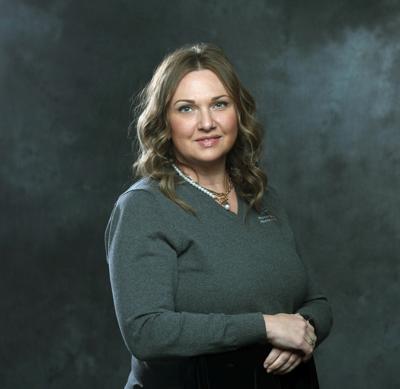

NURSE: Kelly Gardner, BSN, RN-WCC
EMPLOYER: The Rehabilitation Hospital of Montana
NURSING PROGRAM: Denver College of Nursing
FOCUS: Rehabilitation
YEARS OF SERVICE: 14

Kelly Gardner, Rehab Hospital of Montana.
From an early age, Kelly Gardner showed a natural instinct for caring for others — even before she knew what it might mean for her future.
She remembers walking with her grandmother as a young girl when a fall left her with a scraped knee. Gardner helped her home, cleaned the wound and carefully bandaged it — a simple act that would later take on deeper meaning.
“She told me I would be a nurse one day,” Gardner recalled. “That’s the first time I remember thinking about it.”
People are also reading…
Though that moment planted the seed, her path to nursing wasn’t immediate. Gardner attended Montana State University, initially pursuing a degree in marketing before ultimately earning a degree in English. Still searching for direction after graduation, everything clicked during an unexpected moment one Halloween.
“While getting ready for Halloween, I reluctantly put on a pair of scrubs a friend had given me, and in that moment, it hit me,” Gardner said.
Health care had always been part of her world. Her mother spent more than five decades working as a physical therapist, and her father was a physician assistant — influences that shaped her understanding of the field and ultimately guided her back to it.
That decision launched a career that has now spanned 14 years and taken Gardner across a wide range of experiences. She began on a cardiac unit before moving into international work supporting clinics in Ghana during the Ebola outbreak. She later returned to Montana, where she stepped into a leadership role on a neuro-trauma floor and worked in public health during the height of pandemic.
Each role, she said, has contributed to how she leads today.
As Chief Nursing Officer at the Rehabilitation Hospital of Montana, Gardner oversees a team of about 50 staff members while remaining closely connected to the day-to-day realities of patient care. Patients often arrive after life-altering events — strokes, traumatic injuries or serious illness — working toward the goal of returning home.
“We get patients who’ve had something break their body in some way,” Gardner said. “Our goal is to get at least 80% of them back home — whatever ‘home’ looks like for them.”
While outcomes are important, Gardner says her focus extends beyond patient care to the people providing it. Creating an environment where nurses feel supported, heard and fulfilled is what drives her most.
She prioritizes being present — stepping in to help when needed and making time to listen. In many cases, she said, simply being available makes the biggest difference.
“Sometimes they don’t want me to fix anything,” Gardner said. “They just want to be heard.”
That philosophy is rooted in one of the most important lessons she’s carried throughout her career: to assume good intentions. It’s a mindset that has shaped her leadership style and helped foster trust among her team.
“Assume that people mean well,” Gardner said. “There’s no reason to believe someone is trying to make your day harder. That perspective changes everything.”
For Gardner, nursing is not an easy profession — but it’s one that offers a deep sense of purpose. Over time, it changed how she sees the world, strengthening her sense of compassion while reinforcing the importance of human connection.