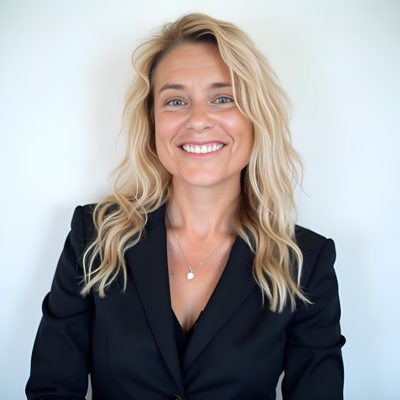

NURSE: Kelly Bourgeois, DNP-C, RN
EMPLOYER: Billings Clinic
NURSING PROGRAM: Helena College and Montana State University
FOCUS: Intensive Care Unit
YEARS OF SERVICE: 4.5

Kelly Bourgeois didn’t set out to become a nurse. Her career began in the arts, where she managed a contemporary arts museum before eventually finding her way into health care.
While the work was fulfilling, she found herself wanting something more hands-on — a role that allowed her to connect more directly with people.
“I love talking to people,” Bourgeois said. “But I wanted to develop my skills in a different way and be more involved in their care.”
People are also reading…
That realization led her to pursue a more direct role in patient care, first working as a radiologic technologist in interventional radiology and MRI. Though the role was important, she found the patient interaction limited and began to feel pulled toward nursing.
She went on to earn her nursing degree, building on a diverse educational background that includes degrees in business and the arts. Now, she is nearing completion of her Doctor of Nursing Practice, continuing a pattern of lifelong learning that she says is central to who she is.
“I love to learn,” Bourgeois said. “No two days are the same, and that’s one of the reasons I enjoy nursing so much.”
For the past four and a half years, Bourgeois has worked in the intensive care unit — a setting she chose intentionally for both its complexity and its challenge.
“It’s incredibly complex, both physiologically and socially,” Bourgeois said. “Every patient is different, and I knew that if I wanted to be the best I could be, this was the place for me.”
In the ICU, patients are often critically ill, requiring constant monitoring and advanced interventions. Nurses typically care for one or two patients at a time due to the level of attention required — a pace that is demanding, but one Bourgeois finds meaningful.
“You’re caring for people at some of the most critical moments of their lives,” Bourgeois said.
While much of the work is highly technical, Bourgeois says one of the most important aspects of her role is understanding that patients are never just individuals — they’re part of a larger network of relationships.
A significant portion of her care extends to families, especially when patients are unable to communicate.
“A patient is connected to so many people, and supporting the people who matter most to them helps the patient heal,” Bourgeois said. “That perspective shapes how I approach each shift, taking time to learn about patients beyond their medical condition.”
Bourgeois describes herself as outgoing and naturally curious, often asking questions and encouraging families to share stories about their loved ones. She also creates a more personal environment for patients whenever possible.
“I like to know their backstory,” Bourgeois said. “I encourage music in the room, and I try to understand what they would want. I read the room and meet people where they are.”
Critical care also comes with emotional challenges. Patients may be in the ICU for extended periods, and outcomes are not always positive. Over time, Bourgeois has learned the importance of developing healthy ways to process those experiences.
She turns to activities like yoga, art and spending time with family and friends, while also acknowledging the emotional weight that comes with the profession.
“You walk through some really hard moments working in the ICU,” Bourgeois said. “It’s very emotional, but I’m committed to staying present and engaged in the work.”