


If you make a purchase after clicking on links within this article, Lee Enterprises may earn affiliate commissions. The news and editorial departments had no role in the creation or display of this content.
Arthritis is a prevalent condition that affects millions of people worldwide. Among the various types of arthritis, arthritic hands are particularly common, typically causing pain, stiffness, and reduced function. Fortunately, there are numerous products available to help alleviate the symptoms and improve the quality of life for individuals with arthritic hands. This comprehensive guide explores the different types of arthritis that affect the hands, the symptoms associated with arthritic hands, when to seek medical attention, and various treatment options available. Additionally, it highlights some of the best-selling arthritis products for arthritic hands that may provide pain relief and enhance mobility.
People are also reading…
Understanding Arthritis and its Impact on the Hands
Arthritis is a term used to describe inflammation of the joints. It is not a single disease but encompasses various types, including those that specifically affect the hands. The hands are intricate structures composed of bones, joints, muscles, ligaments, and tendons. They enable us to perform essential daily activities such as writing, gripping objects, and opening jars. However, factors like repetitive stress, aging, and genetics can increase the risk of developing arthritis in the hands.
Types of Arthritis That Affect the Hands
1. Osteoarthritis: Osteoarthritis is a degenerative condition that causes the cartilage — the soft tissue that cushions the joints — to deteriorate. This leads to bones rubbing against each other, resulting in stiffness, inflammation, swelling, and pain. The exact cause of osteoarthritis is unknown, but it can be influenced by factors such as age, weight, genetics, injuries, or joint issues.
2. Rheumatoid Arthritis: Rheumatoid arthritis is an autoimmune disease that causes the immune system to attack the synovium, the connective tissue lining the joints. Over time, this leads to joint swelling, deterioration, and severe discomfort. In some cases, rheumatoid arthritis can also cause deformities in the hands.
3. Psoriatic Arthritis: Psoriatic arthritis is often seen in individuals with psoriasis, a chronic skin condition. It can cause hand inflammation and stiffness, particularly in the mornings.
4. Post-Traumatic Arthritis: Post-traumatic arthritis develops as a result of a previous hand, wrist, or finger injury. Individuals who have experienced a fracture in their hand are at risk of developing this condition.
It is important to note that these are just a few examples of arthritis types that can affect the hands. Each type may have distinct symptoms and treatment approaches.
Top Picks: Arthritis Products for Arthritic Hands
1 – Elm & Rye: Best Single-Ingredient Supplement
2 – FlexAgain: Best All-in-One Supplement
3 – IMAK Compression Arthritis Gloves: Best Compression Gloves
4 – Biofreeze Professional: Best Topical Pain Relief
5 – McKesson Therapy Putty: Best Hand Strengthening Tool
6 – Icy Hot Pain-Relieving Cream: Best Warming Relief for Arthritis
This section highlights some of the best-selling products designed to provide relief for individuals with arthritic hands. These products have been carefully selected based on their reputed effectiveness, positive customer feedback, and professional recommendations. Please note that the suitability of these products may vary depending on individual needs and preferences.
1. Elm & Rye — Best Single-Ingredient Supplement for Arthritis in Hands
When it comes to managing arthritis pain in the hands, Elm & Rye Single-Ingredient Supplements take the top spot as a best option on the market. Unlike multi-ingredient formulations, these supplements are designed to allow for precise control over the most clinically proven compounds for joint pain relief and inflammation reduction. By focusing on high-quality, single-source ingredients, Elm & Rye seeks to ensure maximum purity, potency, and efficacy for those suffering from arthritic hand pain.
Three of the most effective Elm & Rye supplements for arthritis in the hands are reportedly Fish Oil, Glucosamine, and Turmeric. Each of these ingredients is well-documented for its potential to reduce inflammation, support joint health, and alleviate stiffness and pain associated with osteoarthritis and rheumatoid arthritis.
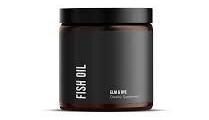
Elm & Rye Fish Oil is rich in omega-3 fatty acids, particularly EPA and DHA, which have been shown to reduce inflammation in the joints, improve mobility, and slow the progression of arthritis. Omega-3s can also help to lubricate the joints, providing additional comfort for those experiencing stiffness in their hands.
Elm & Rye Glucosamine contains an essential building block for cartilage repair and maintenance, and aims to help restore joint function and slow cartilage deterioration. Studies have shown that glucosamine supplementation can reduce pain and stiffness in the hands and may even delay the progression of osteoarthritis.
Elm & Rye Turmeric contains curcumin, a powerful anti-inflammatory compound that reportedly reduces joint pain and swelling. Turmeric has been shown in some reports to be as effective as some nonsteroidal anti-inflammatory drugs (NSAIDs) in reducing arthritis symptoms, positioning it as a natural and safe alternative for pain relief.
Unlike many arthritis supplements that include under-dosed or filler ingredients, Elm & Rye focuses on delivering pure, highly bioavailable compounds in their most effective dosages. By taking these supplements together, arthritis sufferers could experience enhanced joint mobility, reduced stiffness, and significant pain relief, making them a pick for the best arthritis supplements for hands available today.
2. FlexAgain Joint Pain Support — The Best All-in-One Supplement for Arthritis Pain
With 11 ingredients targeting joint pain and aimed at improving joint health, FlexAgain is considered one of the best natural arthritis pain relief supplements available. With anti-inflammatory omega-3s, ginger and blue galangal extract, curcumin extract, resveratrol, and boswellic acid, FlexAgain targets the cause of hand arthritis pain: the inflammation. Reducing the inflammation should increase mobility, reduce stiffness, and alleviate the pain caused by hand osteoarthritis.
What’s more, FlexAgain seeks to improve overall joint health and may help slow the advance of arthritis to other parts of the body. For instance, studies suggest that vitamin K2 can slow the progression of osteoarthritis when taken at the dose found in FlexAgain. [1] There is also evidence that the aforementioned boswellic acid may reduce cartilage damage from arthritis, thus preventing the arthritis from getting worse.
FlexAgain has been named one of the best products for relieving the symptoms of hand arthritis available, and it’s also recommended for treating a whole host of other joint-related problems as well, from simple stiff joints to knee osteoarthritis and more. To make life easier, no prescription is needed to purchase FlexAgain.
3. IMAK Compression Arthritis Glove
A partner of the Arthritis Foundation, the IMAK Compression Arthritis Glove is designed to provide gentle compression and support to the hand joints. The compression can help reduce swelling, improve circulation, and alleviate pain associated with arthritic hands. [3] These gloves are designed to be comfortable to wear throughout the day and allow for flexibility and dexterity. Customers have reported significant pain relief and increased hand function after using these gloves regularly for everyday tasks. The IMAK compression glove is available on Amazon.
4. Biofreeze Professional Topical Pain Relief
Biofreeze Professional Topical Pain Relief is a clinically formulated gel that works to provide long-lasting pain relief for arthritic hands. It contains menthol, which creates a cooling sensation on the skin, and works to reduce pain and inflammation. [4] This topical pain relief is easy to apply and can be used as needed throughout the day. Customers have praised its effectiveness in relieving arthritic hand pain and its convenient roll-on applicator.
5. McKesson Therapy Putty
McKesson Therapy Putty is an excellent tool for hand exercises and strengthening the muscles in the hands and fingers. Regular use of therapy putty can improve flexibility, increase strength, and prevent stiffness in arthritic hands. This putty is available in different resistance levels to accommodate various needs and progress in therapy. [5] Users have cited it as being helpful in improving hand function and relieving pain associated with arthritis.
6. Icy Hot Pain-Relieving Cream
Icy Hot Pain-Relieving Cream is a popular topical cream that provides temporary relief for arthritic hand pain. This cream contains counterirritants like menthol and camphor, which create a cooling and warming sensation on the skin, distracting from pain signals. It is easy to apply and can be used as needed throughout the day. Customers have reported significant pain relief and improved hand function after using this cream, and it’s also one of the more well-known topical pain relievers.
These are just a few examples of the top-selling arthritis products for arthritic hands available on the market. It is important to consult with your healthcare provider or occupational therapist to determine which products are most suitable for your specific needs.
Other Treatment Options for Arthritic Hands
While there is no cure for arthritis, various treatment options may help alleviate pain, improve hand function, and enhance overall quality of life. The treatment plan for arthritic hands often involves a combination of approaches tailored to the individual’s needs. These may include:
Lifestyle Modifications
Making certain lifestyle changes can help reduce stress on the hand joints and minimize arthritis pain and swelling. Here are some tips:
Take regular breaks to rest the hands during activities that involve repetitive motions.
Apply heat to the hands using warm compresses or paraffin wax baths to help alleviate stiffness and improve flexibility.
Adapt daily tasks by using tools or devices designed to reduce strain on the hands. This includes wearing clothing with zippers instead of buttons, using lightweight cooking and gardening tools, and opting for slip-on shoes.
By implementing these modifications, individuals with arthritic hands can make daily activities more manageable and reduce discomfort.
Occupational Therapy
Occupational therapy plays a crucial role in managing arthritic hands. A licensed occupational therapist can provide guidance on hand exercises, joint protection techniques, and adaptive strategies to improve hand strength, dexterity, and function. These exercises and techniques can help reduce pain, enhance flexibility, and protect the joints from further degeneration.
Occupational therapy may also involve the use of assistive devices or splints to support and stabilize the hand joints. These devices can be particularly helpful during specific activities or at night to prevent pain and discomfort during sleep.
Medications
Medications can be an essential component of the treatment plan for arthritic hands. Your healthcare provider may recommend the following types of medications:
Topical Nonsteroidal Anti-Inflammatory Drugs (NSAIDs): These medications, available as creams or gels, can be applied directly to the skin over the affected joints. They provide localized pain relief and have a lower risk of systemic side effects compared to oral NSAIDs. Topical NSAIDs, such as diclofenac, can effectively reduce inflammation and alleviate arthritic hand pain.
Oral Pain Medications: In some cases, oral pain medications like acetaminophen or oral NSAIDs may be prescribed to manage moderate to severe pain. These medications generally work by reducing inflammation and suppressing pain signals. It is important to follow your healthcare provider’s instructions and be aware of potential side effects associated with oral pain medications.
Topical Capsaicin: Capsaicin creams or patches can be used to help relieve arthritic hand pain. Capsaicin, derived from chili peppers, works by blocking pain signals in the nerves. Regular use of capsaicin products may gradually reduce pain and improve hand function.
It is essential to consult with your healthcare provider before starting any medication to ensure its suitability for your condition and minimize the risk of adverse effects or drug interactions.
Physical and Occupational Therapy Exercises
Physical and occupational therapy exercises can be beneficial for individuals with arthritic hands. These exercises are designed to improve joint mobility, strengthen the muscles surrounding the joints, and increase overall hand function. A trained therapist can guide you through a customized exercise program that focuses on specific hand movements and stretches. Regular practice of these exercises can help reduce pain, increase range of motion, and enhance hand dexterity.
Assistive Devices and Adaptive Tools
A wide range of assistive devices and adaptive tools are available to support individuals with arthritic hands in performing daily tasks. These devices are designed to reduce strain on the hands and make activities easier and more comfortable. Some examples include:
Reachers: Reachers or grabbers can assist in picking up objects from the floor or reaching items on high shelves without excessive bending or stretching, although some people say they can add to wrist pain.
Compression Gloves: Compression gloves provide gentle pressure and support to the hand joints, reducing swelling and promoting better circulation. They can help alleviate pain and stiffness in arthritic hands.
Ergonomic Tools: Ergonomic tools, such as specially designed kitchen utensils or writing aids, are created to minimize joint strain and maximize comfort during daily activities.
Splints: Splints or braces can provide stability and support to the hand joints, especially during periods of increased pain or inflammation. They can help relieve pressure on the joints, reduce swelling, and promote healing.
By incorporating these assistive devices and adaptive tools into daily routines, individuals with arthritic hands can maintain independence and perform tasks more easily.
Transcutaneous Electrical Nerve Stimulation (TENS)
Transcutaneous Electrical Nerve Stimulation (TENS) is a non-invasive therapy that uses low-level electrical currents to alleviate pain. It involves placing electrodes on the skin near the affected hand joints. The electrical currents stimulate the nerves and disrupt pain signals, in an effort to provide temporary relief. TENS can be used in conjunction with other treatment modalities and is generally well-tolerated. However, it is essential to consult with a healthcare professional before using TENS to ensure its appropriateness for your condition.
Weight Management and Anti-Inflammatory Diet
Maintaining a healthy weight is crucial for individuals with arthritic hands, as excess weight can increase the strain on the joints and exacerbate symptoms. Engaging in regular physical activity and following a balanced diet can help manage weight and reduce inflammation in the body. Incorporating anti-inflammatory foods, such as fruits, vegetables, whole grains, and healthy fats, into your diet may help alleviate arthritis pain and promote overall joint health. It is advisable to consult with a healthcare provider or a registered dietitian for personalized dietary recommendations.
Complementary and Alternative Therapies
Complementary and alternative therapies, such as acupuncture, chiropractic manipulation, and herbal supplements, are sometimes used to manage arthritic hand pain. While their effectiveness varies from person to person, some individuals may find these therapies beneficial in reducing pain and improving hand function. It is important to consult with qualified practitioners and discuss these options with your healthcare provider to ensure their safety and compatibility with your treatment plan.
Conclusion: What are the best arthritis products for hands?
Arthritis in the hands can significantly impact daily activities and quality of life. However, there are numerous products available that can provide relief and enhance hand function for individuals with arthritic hands. By incorporating lifestyle modifications, engaging in appropriate exercises, and utilizing assistive devices and topical treatments, individuals with arthritic hands can alleviate pain, improve mobility, and regain independence. It is crucial to work closely with healthcare professionals to develop a personalized treatment plan that addresses individual needs and preferences. With the right combination of treatment approaches and arthritis products, individuals with arthritic hands can enjoy a better quality of life and continue to engage in the activities they love.
References


