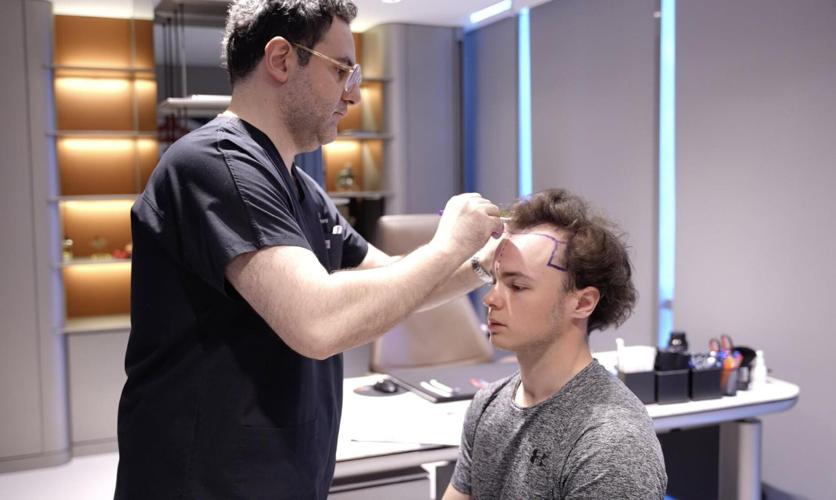


Dr. Levent Acar during a consultation at Cosmedica in Istanbul.
Your hair is essential to your overall appearance. Hair is far more than just something that grows on top of your head; it frames your face and colors people’s immediate perception of you in profound ways. Over the course of the past several years, there has been a dramatically increasing awareness pertaining to appearance, as the popularity of things like social media has led to individuals becoming hyper-aware of what their physical appearance is and how it compares to others’.
This has resulted in many kinds of aesthetic procedures becoming incredibly popular. A decade ago, such procedures were the kind of thing that could land a celebrity on the front of tabloid magazine covers for weeks at a time. But today, such procedures have become commonplace amongst celebrities and average consumers alike. The stigma surrounding such care has all but dissipated, and one of the most popular aesthetic care options for men continues to be hair transplant surgery.
People are also reading…
This is especially true of hair transplants in Turkey, as the Istanbul region has become renowned for its plethora of medical professionals offering services at low prices. For some Montanans, that means taking a long flight to Istanbul for a hair transplant. It might seem like an unusual trip for a medical procedure, but the appeal is easy to see: treatment options, package prices, and help with travel arrangements.
Turkey’s Appeal for Hair Restoration
Turkey has become a major medical tourism destination, including for hair restoration. For American patients, the appeal often comes down to several factors. The thing that most often immediately captures potential patients’ attention is the lower cost of treatment. Hair transplant packages in Turkey often cost considerably less than the same kind of procedure would here in the U.S. So much so that even after considering the additional costs of travel and accommodations, a trip to Turkey still often proves financially beneficial for patients. However, it is obviously worth comparing the full cost of treatment rather than choosing a clinic based on its advertised price alone.
As Dr. Levent Acar, a hair transplantation specialist in Istanbul, explains, “Many patients used to come only for the price. Now, even wealthy patients come because of the quality. Our prices are fair because we want everyone to have access, but quality is always our focus.”
Specialization in Hair Restoration
Furthermore, Turkey has a unique clustering of experienced specialists in the hair transplant field. This is a self-fulfilling prophecy of sorts, as an initial grouping of specialists in the region set out to make Turkey a prominent option for medical tourists, and then the interest from potential patients across the globe brought even more specialists to the area.
Today, Turkey has many doctors who specialize in hair restoration and have experience treating international patients. When choosing a clinic, check the surgeon’s qualifications, years of experience, and approach to creating natural-looking results.
Because medical tourism has become such a prominent part of the Turkish economy, numerous clinics now offer packages in which they organize airport transfers, hotel accommodation, interpreters, and appointments for patients who are traveling from abroad. These services can make the trip easier to manage, particularly for patients traveling from Montana or other parts of the U.S. Recovery continues long after the flight back. Clinics that provide clear post-operative instructions and remote follow-up can help patients understand what to expect and when to seek medical advice.
Why Some Montanans Travel to Turkey
Montana has few hair-restoration clinics, which often sends locals to seek such care elsewhere. As a result, residents are often already used to traveling out of state for specialized procedures. And once they’ve already accepted the need for such travel, the option of Turkey becomes an increasingly tempting choice. Between the lower pricing and inclusive packaging, despite the increased distance, traveling to Turkey for hair transplant surgery is actually often a more simplified version of the process for many.
The Role of Hair Follicles and the Donor Area
A hair transplant relocates hair follicles from one part of the scalp to areas affected by thinning or hair loss. The donor area is typically at the back or sides of the head. For many people with pattern hair loss, follicles in these areas remain healthy and active even as those higher on the scalp thin.
A consultation helps determine whether someone has enough suitable donor hair and what level of coverage may be realistic. The assessment should consider the extent and pattern of hair loss, the density and quality of the donor hair, the scalp condition and medical history, future hair loss and long-term treatment goals, and ultimately the number of grafts needed to create a natural-looking result. For his part, Dr. Acar emphasizes the importance of setting realistic expectations: "In all cases, transplantation is possible, but expectations must be explained clearly."

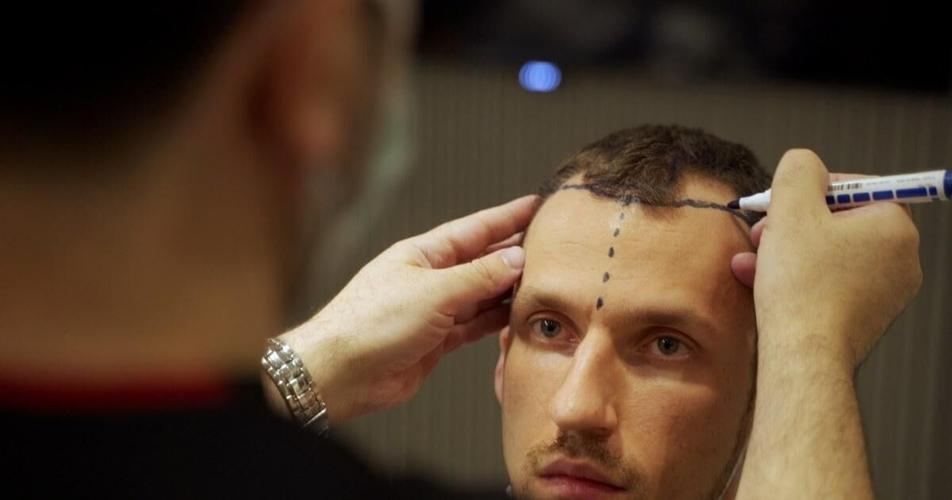
A patient's hairline is marked out during planning at Cosmedica Clinic
Common Hair Transplant Methods
A few techniques keep coming up when people research this topic. Here's a quick breakdown:
FUE method (Follicular Unit Extraction): This involves removing individual follicular units from the donor area and placing them into the recipient area, where hair is thinning. This avoids removing a single strip of scalp, although tiny extraction marks may remain.
- Sapphire FUE: A variation of FUE hair transplantation that uses sapphire-tipped blades instead of steel ones to create the recipient sites.
- DHI (Direct Hair Implantation): Follicles are extracted and implanted using a specialized pen-like tool, without first creating separate incision sites.
- Micro Sapphire DHI: This is a unique version of DHI direct hair implantation, developed and used at Cosmedica Clinic. It combines Micro Sapphire FUE extraction with extra-thin sapphire-blade incisions and implantation with a DHI implanter pen.
Both DHI and FUE hair transplantation are still widely used. Clinics often recommend one over the other depending on a patient's donor supply and the size of the treatment area.
Dr. Acar notes that patient comfort and natural-looking results depend heavily on planning, not just the method chosen: "When people look at a face, the density and hairline are immediately connected with youthfulness and health."
Hair Transplant Costs
Cost is usually the first question people ask, and it's a fair one. But quotes can vary widely by clinic and treatment plan. In the United States, a hair transplant typically costs between $6,000 and $15,000, although larger procedures and premium clinics can charge $20,000 or more.
The Turkey hair transplant cost generally ranges from $2,000 to $5,000, with many clinics offering packages that include the procedure itself, accommodation, and airport transfers. An advertised package may not cover every expense. Before booking, ask whether the quote includes medication, post-operative supplies, extra hotel nights, and follow-up consultations. Also budget for meals, travel insurance, missed work, and possible changes to your return flight.
Choosing a Reputable Clinic
Choosing a hair transplant clinic takes more than scrolling through photos. Not all clinics operate the same way, so research is essential to understand how the clinic operates and what to expect.
Key details include the surgeon's credentials and years of experience, transparent before-and-after photos from real patients, clear pricing with no hidden fees, and a documented aftercare plan, including follow-up contact after the procedure.
Be cautious of clinics that promise guaranteed results, pressure you to book quickly, offer treatment without a proper medical assessment, or refuse to share verifiable patient reviews.

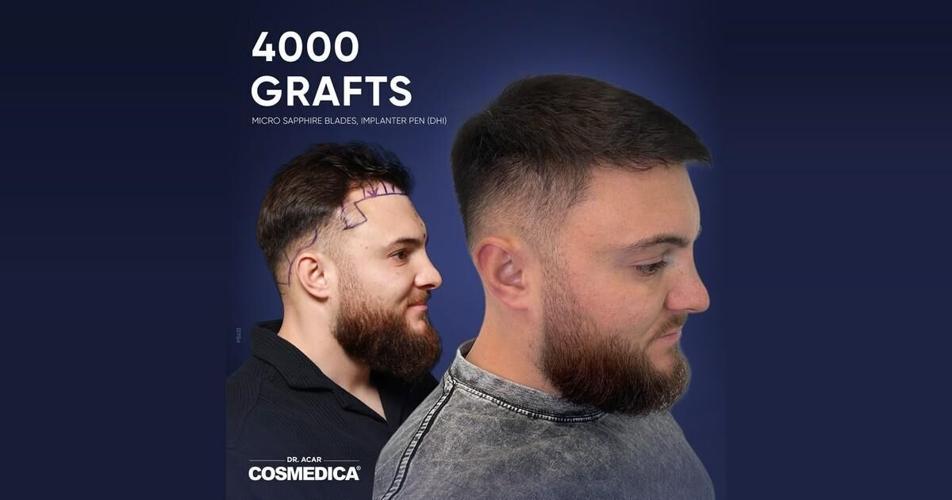
Before and after a 4,000-graft Micro Sapphire DHI hair transplant at Cosmedica.
Traveling From Montana to Istanbul
Getting from Montana to Istanbul usually means connecting through a larger U.S. hub after departing from a Montana airport such as Bozeman or Billings, with some itineraries also involving one or two layovers before the final leg into Turkey.
Dr. Acar notes that air travel itself is not typically a concern; often, "flying the next day is safe." However, that is not always the case, so each patient’s specific circumstances should be considered before making travel plans. Montana's dry climate is also worth mentioning to your clinic in advance, as scalp care in the days after a transplant may need slight adjustments for the lower humidity.
Deciding Whether the Trip Makes Sense
It depends on the person. Someone with early-stage thinning who's still considering how to address it may benefit more from monitoring or trying non-surgical options first. Someone with a stable, clearly defined pattern of hair loss and realistic expectations about the timeline is often a better fit.