


Guest blogger: Shelby Huber, Montana Dinosaur Trail coordinator
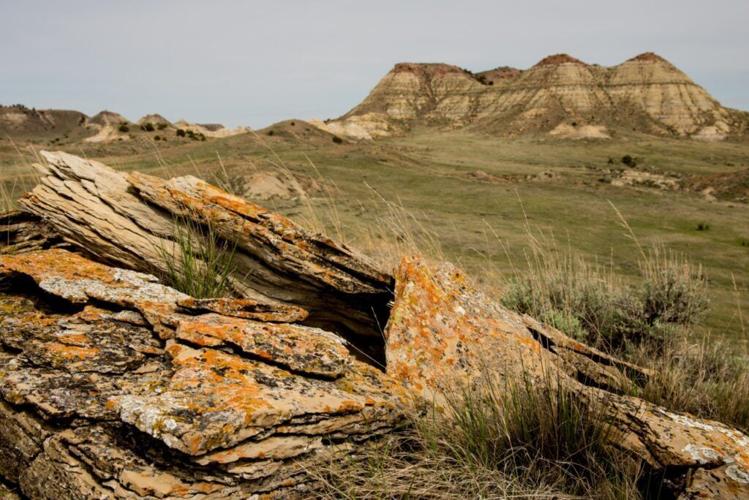
In southeast Montana, history is not tucked away behind velvet ropes. It is etched directly into the ancient clay, sandstone spires and banded badlands beneath your hiking boots.
For active outdoor enthusiasts, this region offers a rare and thrilling connection: the chance to trek across the exact geological strata where apex predators like Tyrannosaurus rex, horned Triceratops and duck-billed hadrosaurs once roamed. By weaving together scenic trail networks with four stops along the Montana Dinosaur Trail, you can build an itinerary where paleontology and outdoor adventure go hand in hand.
1. Makoshika State Park and Glendive: Prehistoric canyons and exposed fossils
As Montana’s largest state park, Makoshika (pronounced Muh-KO-shih-kuh) encompasses more than 11,000 acres of weather-carved badlands. Its name derives from a Lakota phrase meaning "bad earth," but for hikers and trail runners, it is a destination.
People are also reading…
Before or after visiting the park's trail network, you can explore two official Montana Dinosaur Trail stops located in Glendive. Stop by the Frontier Gateway Museum to view full fossil casts, prehistoric plant remains and regional homesteading history. Then, visit the Makoshika State Park Visitor Center at the park entrance to examine a full-size T. rex fossil cast and a Triceratops skull before tying up your hiking boots.
Once on the trails, the 1-mile Diane Gabriel Trail winds through deep coulees and climbs a series of badlands steps. The highlight of this route is passing an exposed sandstone outcrop where preserved hadrosaur vertebrae remain embedded along the path. For sweeping geological views, take the 1-mile Cap Rock Trail across a natural bridge surrounded by caprock pillars and hoodoos shaped by millions of years of erosion.
2. Medicine Rocks State Park and Ekalaka: Sandstone spires and pioneer paleontology
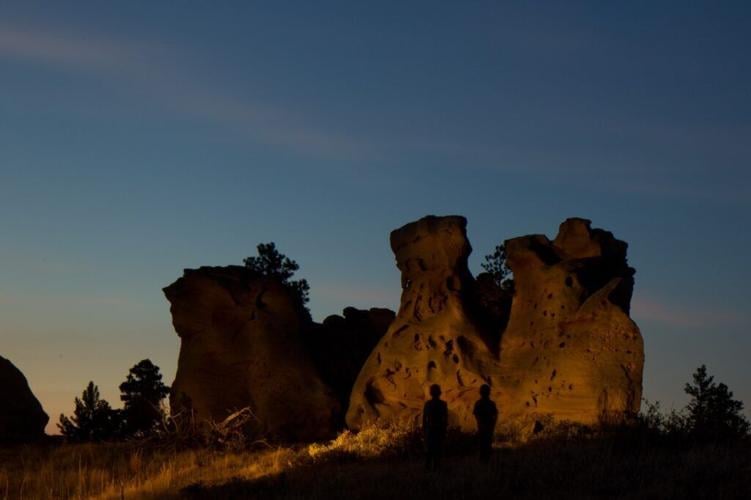
Located north of Ekalaka, Medicine Rocks State Park features a landscape of 80-foot sandstone spires perforated with wind caverns. Theodore Roosevelt described it as one of the most fantastically beautiful places he had seen. A web of easy-to-moderate trails loops around and between the monoliths, where hikers can spot Native American rock art and historic carvings left by early cattle drivers. As an International Dark Sky Sanctuary, it is also a spot for stargazing after a day on the trail.
Minutes down the road in Ekalaka sits the Carter County Museum, a stop on the Montana Dinosaur Trail. As Montana’s first county museum, this facility houses specimens including Wyrex, a T. rex with fossilized skin impressions, duck-billed dinosaur skeletons and exhibits from its annual Dino Shindig. Pairing a morning museum tour with an afternoon hike among the spires at Medicine Rocks makes for a day in Ekalaka.
3. Terry Badlands Wilderness Study Area: Rugged backcountry solitude
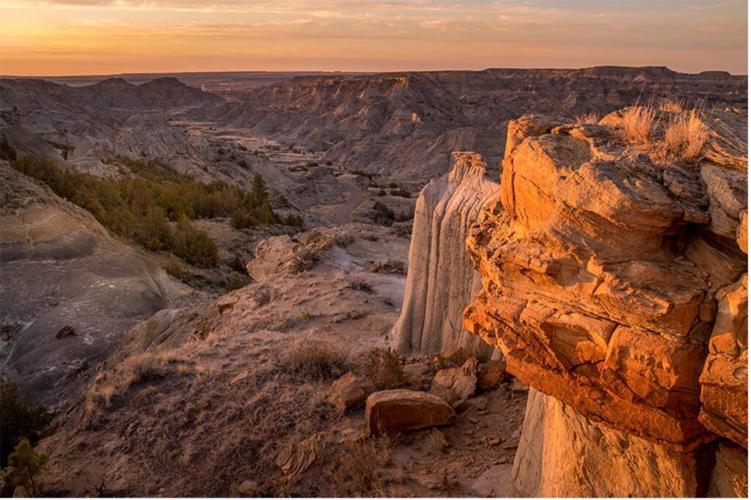
For hikers seeking solitude between dinosaur trail stops, the Terry Badlands Wilderness Study Area offers Montana backcountry. Carved over millennia by the Yellowstone River, this landscape features mesa overlooks, sandstone arches and coulees that showcase the region's geological layering.
Access the Calypso Trail by crossing the Milwaukee Road railroad bridge over the Yellowstone River. This primitive route takes hikers into badlands strata, making it a destination for day hikes, backcountry photography and spotting golden eagles or prairie falcons. For panoramic views without a long trek, drive to the Terry Badlands Overlook to look across miles of multi-colored rock layers. The clay surface turns slick when wet, so check local BLM weather reports before heading out.
4. Roundup and Musselshell Valley: Where central meets eastern strata
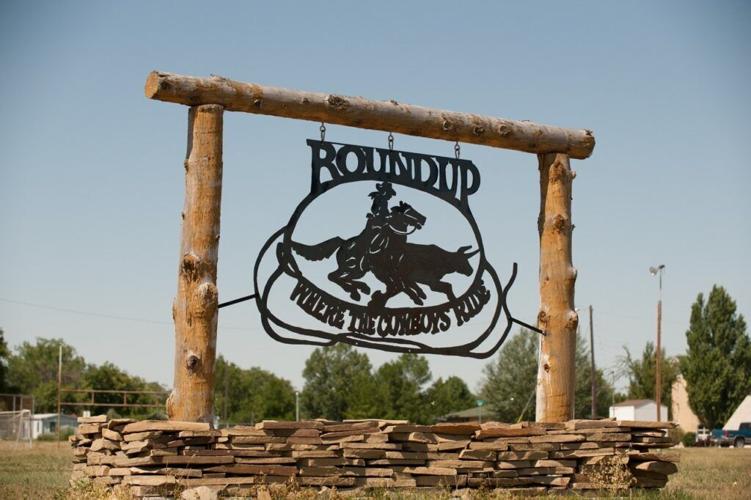
As you travel western gateway routes across southeast Montana, the Musselshell River valley around Roundup offers a link between outdoor exploration and paleontology.
At the Musselshell Valley Historical Museum, a stop on the Montana Dinosaur Trail, visitors can explore the "Dino Depot." This collection highlights fossil finds unearthed in surrounding central and eastern Montana rock layers, including turtle shells, plant fossils and dinosaur teeth displayed alongside coal mining and pioneer heritage. It serves as a cultural kickoff before a walk along local river trails or a trip across the surrounding prairie landscapes.


