


Funding allows students to learn, work, and help meet needs in their own communities.
MSU BILLINGS NEWS — This past summer, just a few months before Montana kids headed back to school, there were more than 80 vacancies in K-12 special education positions across the state.
That level of uncertainty — while a logistical and practical challenge for many rural school districts — was equally disconcerting to Dr. Mel Walker. So, she set out to do something about it.
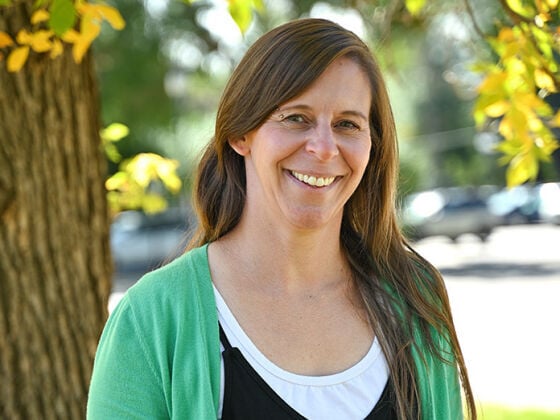
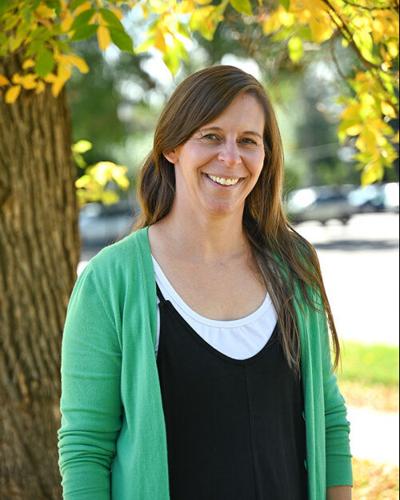
Walker, an associate professor of special education at Montana State University Billings’ College of Education, wrote a $1.2 million grant to the U.S. Department of Education’s Office of Special Education Programs (OSEP). The grant puts 20 Central and Eastern Montana students on the path — with tuition paid — to a special education degree and a meaningful career.
People are also reading…
The award announcement of the five-year grant came in late September.
“When I saw that number of vacancies, it all pointed out that if we prepare 20 students, we can fill a need for a quarter of those positions,” she said, embracing a call to action.
Her project is called “Project TREASURES: Teaching & Reaching: Expanding Access to Special Education in Underserved and Rural Areas.” The overall goal is to increase the number and retention rate of rural special educators in Montana, giving scholars enrolled in the program the necessary knowledge and skills to implement evidence-based practices in K-12 schools. Eventually, Walker says, providing more well-prepared special educators will improve the outcomes of students with disabilities, especially in rural Montana schools.
She said that 70 percent of the grant will be used directly to support students by paying tuition, fees, and travel expenses. The Project TREASURES scholars will be people who already have familiarity or experience with special education programs, whether as a paraprofessional or someone with an associate degree.
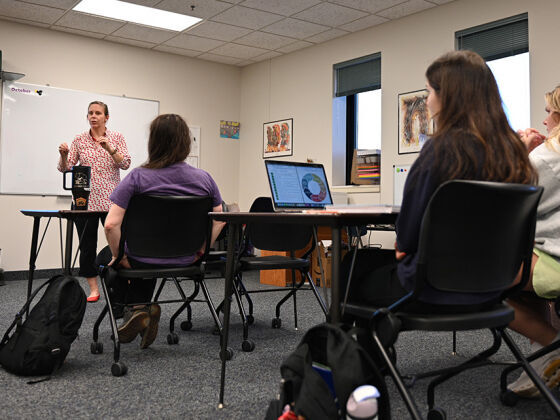
It is a hybrid program, which means students can take most of the 60 credits over four years online, traveling periodically to Billings for face-to-face sessions with Walker and other educators. Allowing students to simultaneously learn and earn, the credit load is spread out enough so they do not have to quit an existing job or leave their hometowns just to get the degree.
Walker said the project touches on one of her professional goals while also honoring the history of MSU Billings and its history. Founded as Eastern Montana Normal School in 1927 to prepare more public school teachers for a growing region, the institution evolved into Eastern Montana College and eventually MSU Billings. Over time, the university’s College of Education grew its reputation for excellence in teacher preparation, especially for special education teachers.
“This is something that I have been wanting to do since I was hired here,” she said. “This is a special place for education. We don’t just move people through; we meet the needs of the students that we have and get them well prepared.”
The need for special education teachers is nothing new and appears it will remain as more veteran educators retire. According to a national report, the percentage of public school students who receive special education services has risen over time, reaching 15 percent in 2022–23 and has leveled off. According to a Montana Office of Public Instruction report, 15 percent of the state’s K-12 students are served under the federal Individuals with Disabilities Education Act (IDEA). That amounted to 21,752 students in 2025.
Experts say the numbers are propelled by several factors, including better and earlier identification of students who need additional support, and better scientific and cultural understanding of how best to serve students with learning differences.
For Walker, it is the right thing to do given the state's need and the university’s legacy.
“When people think about special education in Montana, they should be thinking of MSUB,” she said.
Walker is spreading the word now so that applicants can be in place when the program begins in fall 2027. That gives them time to sort out their work and education plans early.
She can be reached by email or phone at (406) 657-2335.
# # #


